
Solve & Earn 2 - Redeem Code
Rayole OpinionTrivia
4.215.00 Reviews
- Version
- 1.0.39
- Installs
- 500.00K
- Age Rating
- Everyone
Screenshots
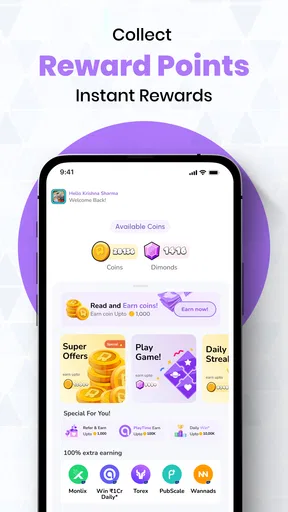
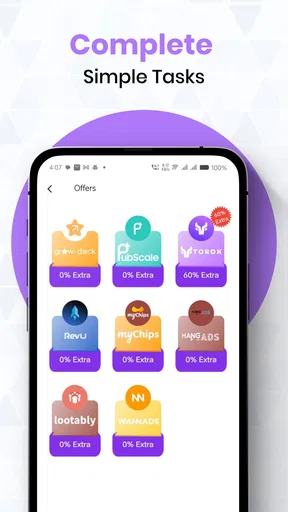
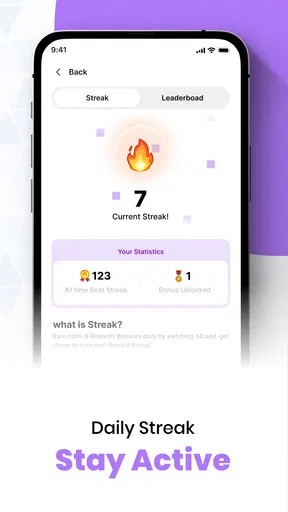
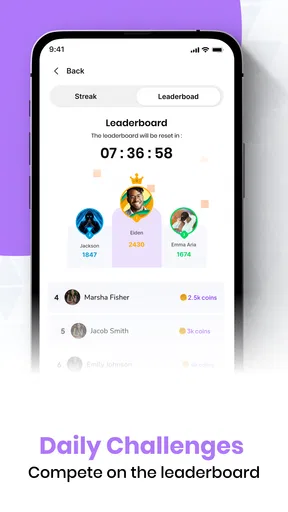
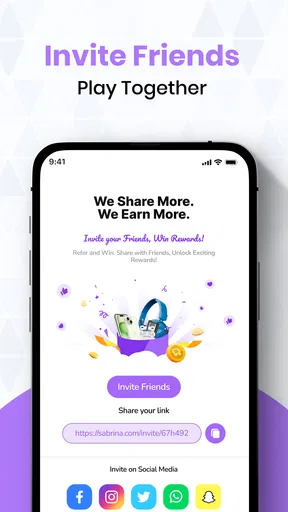
Our Review of Solve & Earn 2 - Redeem Code
 Analysis by Appyee
I approached Solve & Earn 2 - Redeem Code as a quick trivia game rather than as a traditional quiz app. Its central promise is simple: answer questions and connect that activity with rewards. That combination makes the game more interesting to evaluate than a normal knowledge challenge, because the quality of the questions is only one part of the experience. The other part is whether the reward-focused design feels clear, fair, and worthwhile during ordinary use.
The game is published by Rayole Opinion and is available free of charge for Android users. It is listed for Everyone, runs on Android 7.0 and later, and currently appears as version 1.0.39. The public response is encouraging, with an average score of 4.2 from around 14 thousand ratings and more than 500 thousand installs. Those figures suggest that the concept has found an audience, although popularity alone does not tell me whether it will suit your habits.
How I Would Decide Whether It Is Worth Trying
My first decision criterion would be motivation. If you already enjoy answering general-knowledge questions and like the idea of receiving something in return for that time, this game has an obvious appeal. If you want a deep trivia system with carefully structured learning, detailed explanations, or a competitive community, I would judge it by a different standard. The reward angle changes the experience from “I want to master this subject” to “I have a few spare minutes and want to see what I can solve.”
The second criterion is patience. A reward-oriented game is not automatically a fast route to meaningful benefits. I would treat each session as a small entertainment break and consider any reward a secondary outcome. That mindset matters because it prevents disappointment if progress feels gradual. In my view, the healthiest way to use this title is to enjoy the quiz itself first, then regard the earning element as an extra reason to return.
The third criterion is how much explanation you need after an answer. Traditional trivia apps often focus on teaching, showing why an answer is correct or adding background information. Solve & Earn 2 - Redeem Code is better considered as a lightweight solve-and-reward experience. If your main goal is to study history, science, language, or another specific subject, a dedicated learning app will usually be more useful. Here, the appeal is the short decision-making loop rather than a complete lesson.
I would also look at the practical side before committing time. The title itself places emphasis on redeeming codes, so I would pay close attention to the wording of any reward instructions, the steps required to claim something, and whether the process is easy to understand. This is one of the most important habits with any reward-based game: read the redemption guidance carefully instead of assuming that solving questions alone completes every step.
The best everyday use case
A realistic use case is a short wait at a bus stop, in a reception area, or between two small tasks at home. I could open the game, answer a few questions, and close it without needing to reserve a full evening. That makes the format more practical than a long-form quiz session. It fits the moments when I want active entertainment but do not want to start a story game or watch a full video.
Another useful routine is using it as a break from passive scrolling. Social feeds can consume time without giving me a clear stopping point. A trivia round has a more defined purpose: I solve questions, check my progress, and decide whether I want another attempt. The reward theme gives that short break a little more structure, even though I would still avoid treating it as a dependable income source.
For families, the Everyone rating makes the game broadly approachable. I would still encourage parents to explain the difference between game rewards and guaranteed real-world value, especially for younger players. The child-friendly age classification makes the content accessible, but it does not remove the need for sensible limits around screen time or expectations about redeeming anything.
Where the game wins over ordinary trivia apps
The clearest strength is its focused identity. Many trivia games ask me to choose between learning, competition, collecting, and entertainment. This one puts the solve-and-earn idea at the center, which makes the reason to open it immediately understandable. I do not need to invent a personal challenge before playing; the reward-oriented purpose is already built into the concept.
It also has an advantage for players who lose interest in quizzes that offer only points or decorative progress. Even when the questions are familiar, the possibility of working toward a redeemable outcome can make each answer feel more purposeful. That does not make every question more exciting, but it gives routine sessions a clearer reason to continue.
A less obvious strength is that the game can work as a test of your own attention habits. I found that reward-focused play encourages me to slow down and read the question rather than tapping through automatically. A wrong answer is not just a missed trivia point; it also makes me reconsider whether I am rushing. For someone who wants a small, interactive pause during the day, that extra sense of purpose can be more effective than an endless quiz with no practical direction.
Another useful approach is to separate “practice time” from “reward time.” I would play a few rounds when I am alert, then review the redemption instructions only when I have enough time to follow them carefully. Mixing both activities in a rushed moment can make the experience feel confusing. Keeping the solving and claiming stages mentally separate is a simple workflow that makes the game easier to judge.
What may frustrate experienced trivia players
The same simplicity that makes the game approachable may disappoint serious quiz fans. Players who want specialist categories, detailed answer explanations, timed tournaments, or a rich progression system may find a reward-centered format too light. I would not choose this as my main trivia platform if my goal were to build a structured knowledge routine.
There is also a motivational trade-off. When the reward is the main reason to continue, the questions can start to feel like a task rather than a game. That is especially true if I keep playing after the quiz itself stops being enjoyable. My practical rule would be to stop when the activity feels repetitive; no reward concept can make unlimited repetition entertaining.
Redemption is another point where expectations need to stay realistic. A code-based reward system is only useful if the instructions are understandable and the player knows what action is required. I would not tap through screens quickly or rely on assumptions. I would check the exact wording, save any relevant code details, and make sure I understand the sequence before considering a session complete.
Because the game is free, I would also evaluate it by the amount of attention it asks from me rather than only by money. Free does not mean costless: time, concentration, and patience are still resources. If you dislike reward mechanics, prefer uninterrupted quiz play, or find redemption steps distracting, a conventional trivia app may be a better fit even if it offers less incentive.
How it compares with the usual alternatives
Compared with a standard trivia game, this title is more appealing when the reward loop matters to you. A standard alternative may be better when you want a clean knowledge challenge with no earning-related objective. In that case, the traditional app wins through focus: you answer questions because you enjoy the subject, the difficulty, or the competition.
Compared with educational quiz software, Solve & Earn 2 - Redeem Code is less suitable for planned study. Educational tools normally make it easier to follow a topic, repeat weak areas, and understand mistakes. I would choose those alternatives for exam preparation or skill building. I would choose this game for casual mixed trivia when I want the possibility of a reward to sit alongside the entertainment.
Compared with games built around long progression systems, it is a better match for short sessions. A role-playing game or strategy title can offer deeper decisions, but it also asks for more commitment and attention. This trivia game makes more sense when I have only a small window and want to finish without remembering a complicated storyline or managing a large collection.
There is no universally superior category here. The right choice depends on what I want from the next few minutes. If I want knowledge growth, I would use a learning-focused option. If I want pure competition, I would look for a quiz platform centered on rankings or head-to-head play. If I want a lightweight question-and-reward routine, this is where the game becomes distinctive.
The real cost of switching from another app
Moving from a normal quiz app to this one is easy at the installation level because it is free and supports a relatively broad range of Android devices through its Android 7.0 minimum requirement. The larger switching cost is psychological. I would need to adjust from measuring success through correct answers, streaks, or personal knowledge to paying attention to the reward workflow as well.
That change can be positive if ordinary quiz scores no longer motivate you. It can be negative if you prefer a distraction-free interface or dislike having an additional redemption step in your routine. Before replacing a favorite trivia app, I would test this game during a few short sessions rather than abandoning the alternative immediately. That gives me a fair comparison without turning the decision into a commitment.
There is also a time-management cost. The reward concept can encourage “one more round,” particularly when I am close to a personal target. I would set a simple stopping point before playing, such as finishing a brief break and then returning to my task. This is one of the most practical ways to keep a free reward game from taking more time than it deserves.
For users on older Android phones, the operating-system requirement is reassuringly accessible, but compatibility is not the only consideration. I would still judge the experience on the device I actually use, especially if I play while multitasking or switching between a game and other apps. A smooth short session is more valuable to me than a theoretical promise of convenience.
Small strategies that make the experience better
My first strategy would be to play when I can concentrate. Guessing quickly may feel efficient, but trivia rewards careful reading. I would look for qualifying words in the question, compare every option, and avoid tapping simply because one answer looks familiar. This improves the quiz experience regardless of the reward outcome.
Second, I would keep a personal note of what makes a session enjoyable. Do I like the questions, the sense of progress, or only the possibility of redeeming something? That distinction helps me decide whether to continue. If the reward element disappeared, the remaining entertainment value would reveal whether the game is genuinely right for me.
Third, I would treat redemption as a separate checkpoint. After solving, I would review the instructions calmly, verify the code-related details, and avoid sharing sensitive account information casually. This is not a criticism of the game; it is a sensible habit for any service that combines play with rewards. Clear personal boundaries make the experience more comfortable.
Finally, I would compare the game against my actual alternative, not against every trivia app available. If my current app is educational, I would ask whether I am willing to give up structured learning. If it is competitive, I would ask whether rewards matter more than rankings. This direct comparison produces a better decision than simply choosing the game with the most attractive summary.
Who should install it, and who should skip it?
I would recommend trying it if you enjoy general trivia, want a free way to fill short gaps in the day, and are curious about a reward-oriented format. It is particularly suitable for someone who has already become bored with quiz apps that offer only points. The game’s broad age classification also makes it approachable for casual household use, provided expectations are kept sensible.
I would be more cautious about recommending it to people who need reliable educational progress. Students preparing for a test, language learners seeking deliberate practice, and trivia enthusiasts who want deep explanations should probably choose a more specialized alternative. The reward angle is not a substitute for a curriculum, detailed feedback, or carefully organized revision.
I would also suggest skipping it if you find redemption mechanics stressful or if you tend to keep playing because you feel obligated to reach the next target. A game should fit your routine, not control it. If the questions are enjoyable but the reward process makes you uncomfortable, a conventional trivia title may deliver a better overall experience.
My recommendation after using the concept as intended
Rayole Opinion has created a game with a clear niche: casual trivia for people who want solving questions to feel connected to a reward goal. I like that it can fit into short breaks and that its free availability lowers the barrier to testing the idea. The current version, 1.0.39, gives Android users a straightforward opportunity to see whether this style of play suits them.
My recommendation is to try it with modest expectations. Start with brief sessions, read the redemption instructions carefully, and decide whether the questions are enjoyable before allowing the reward element to influence your routine. The best reason to keep playing is that the quiz itself feels worthwhile; the reward should remain an extra incentive, not a promise of easy earnings.
In the end, I see Solve & Earn 2 - Redeem Code as a useful alternative rather than a replacement for every trivia app. It wins when you want quick questions with a practical motivation behind them. It loses when you want serious study, deep explanations, or pure competition. For a friend who likes casual quizzes and has spare minutes to fill, I would suggest giving it a fair test. For someone seeking a complete learning tool, I would point them elsewhere.
Verdict
Strengths of Solve & Earn 2 - Redeem Code
- Simple puzzle gameplay that is easy to understand and start playing.
- Short levels make it convenient for quick breaks or casual sessions.
- Reward codes can provide extra motivation to keep completing puzzles.
- Lightweight design should run smoothly on many Android devices.
- Progress-based challenges give the game a clear sense of direction.
Limitations of Solve & Earn 2 - Redeem Code
- Reward availability may vary and can depend on regional restrictions.
- Some players may find the puzzles repetitive after extended play.
- Redeeming codes may require an internet connection or account access.
- Frequent ads could interrupt gameplay and reduce the overall enjoyment.
- Rewards may take time to unlock, especially for occasional players.
Similar Picks in This Category
View All
Millionaire 2026 Quiz & Trivia
Quiz & Trivia Games by Submarine Apps4.5

Brain Test 2: Tricky Stories
Unico Studio4.7

Trivia Crack: Brain Quiz Games
etermax4.4

QuizzLand. Quiz & Trivia game
Quiz & Trivia Games by Mno Go Apps4.8

Brain Test: Tricky Puzzles
Unico Studio4.7

Logo Quiz
bubble quiz games4.5
Frequently Asked Questions
What is Solve & Earn 2 - Redeem Code?
Solve & Earn 2 - Redeem Code appears to be a puzzle and rewards-style mobile app in which users complete questions, challenges, or problem-solving activities to receive points or redeemable codes. Before downloading, check the official store description carefully, because available tasks, reward systems, supported regions, and redemption conditions may change between versions or locations.
How do users earn rewards in Solve & Earn 2 - Redeem Code?
The app generally presents users with activities such as solving puzzles, answering questions, or completing other in-app challenges. Successful participation may add points, coins, or progress toward a redeem code. However, users should read the reward rules inside the application, since minimum balances, daily limits, verification requirements, and eligible activities can affect how and when rewards become available.
Are the redeem codes guaranteed to work?
No mobile rewards application can guarantee that every code will work indefinitely. Codes may have expiration dates, regional restrictions, limited quantities, usage limits, or specific redemption instructions. Before spending significant time in the app, review the code terms and confirm whether rewards are supported in your country. Never pay money or share sensitive account information to unlock a supposed reward.
Is Solve & Earn 2 - Redeem Code free to download and use?
The application may be free to install, but free access does not always mean an entirely cost-free experience. Some versions can include advertisements, optional purchases, third-party promotions, or features that require additional actions. Check the Google Play Store or Apple App Store listing for pricing, in-app purchase details, permissions, and subscription information before installing the app on your device.
Is Solve & Earn 2 - Redeem Code safe to install?
Safety depends on where the app is downloaded and which version is installed. Use only the official Google Play Store or Apple App Store, verify the developer name, read recent reviews, and inspect requested permissions. Avoid unofficial APK files, modified versions, and websites promising unlimited codes. If the app requests unnecessary access to contacts, messages, or financial information, proceed cautiously.
Play our best games!


